Exploring the MN History Center—And Creating Our Own!
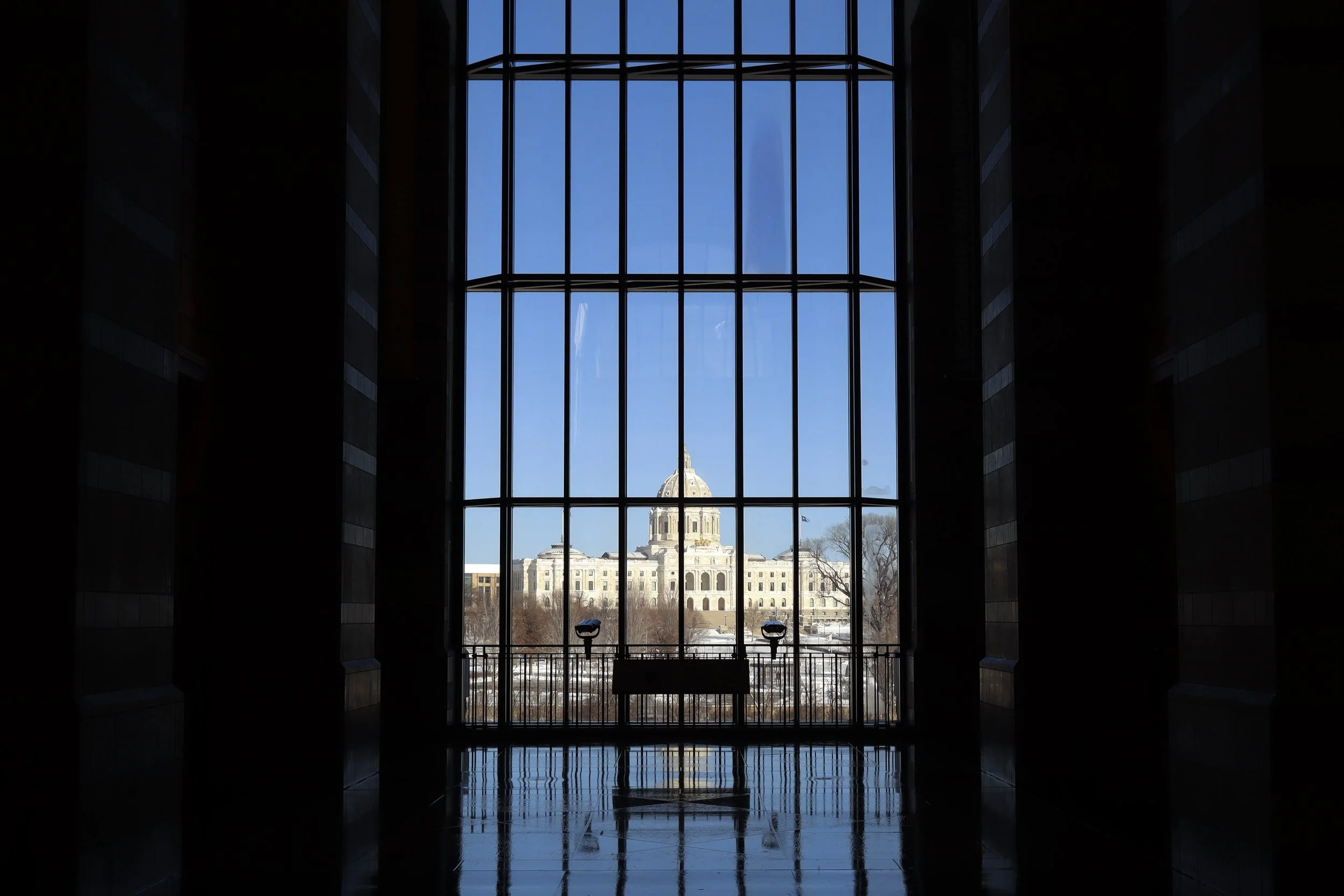
Last Saturday, we gathered on a crisp and cold Minnesota morning at the Minnesota History Center for a day of learning and reflection (and a little bit of competition)! This was the second of our monthly Cultural Sessions—meetings that are centered around learning about the diverse cultures and histories that make up our Twin Cities.
During this session, we explored the concept of bias—how it influences perceptions of us and how we perceive others, how it can flatten our individual personhood by placing us in restrictive categories, and how it can determine whose stories are worth hearing.
Exploring Bias in the US Census
Our first activity centered around exploring the ways in which the US Census has changed since 1790. This was a fascinating way to learn about how demographic categories have the capacity to render certain peoples visible or invisible in the eyes of the government. We tried to categorize ourselves using the different labels used for four different census forms from the 1790, 1870, 1940, and 2020. Many of us found that we felt either partially or wholly unrepresented by the given categories on the census forms, and discussed the difficulties of having to place ourselves within boxes that felt so limiting.
Even though the language used in the most recent US Census form felt more representative, we still noted ways in which it could be changed to account for more identities: the most significant change would be to account for people who are intersex, which, based on current data, could be as many as 5.8 million people.
Exploring the Museum!
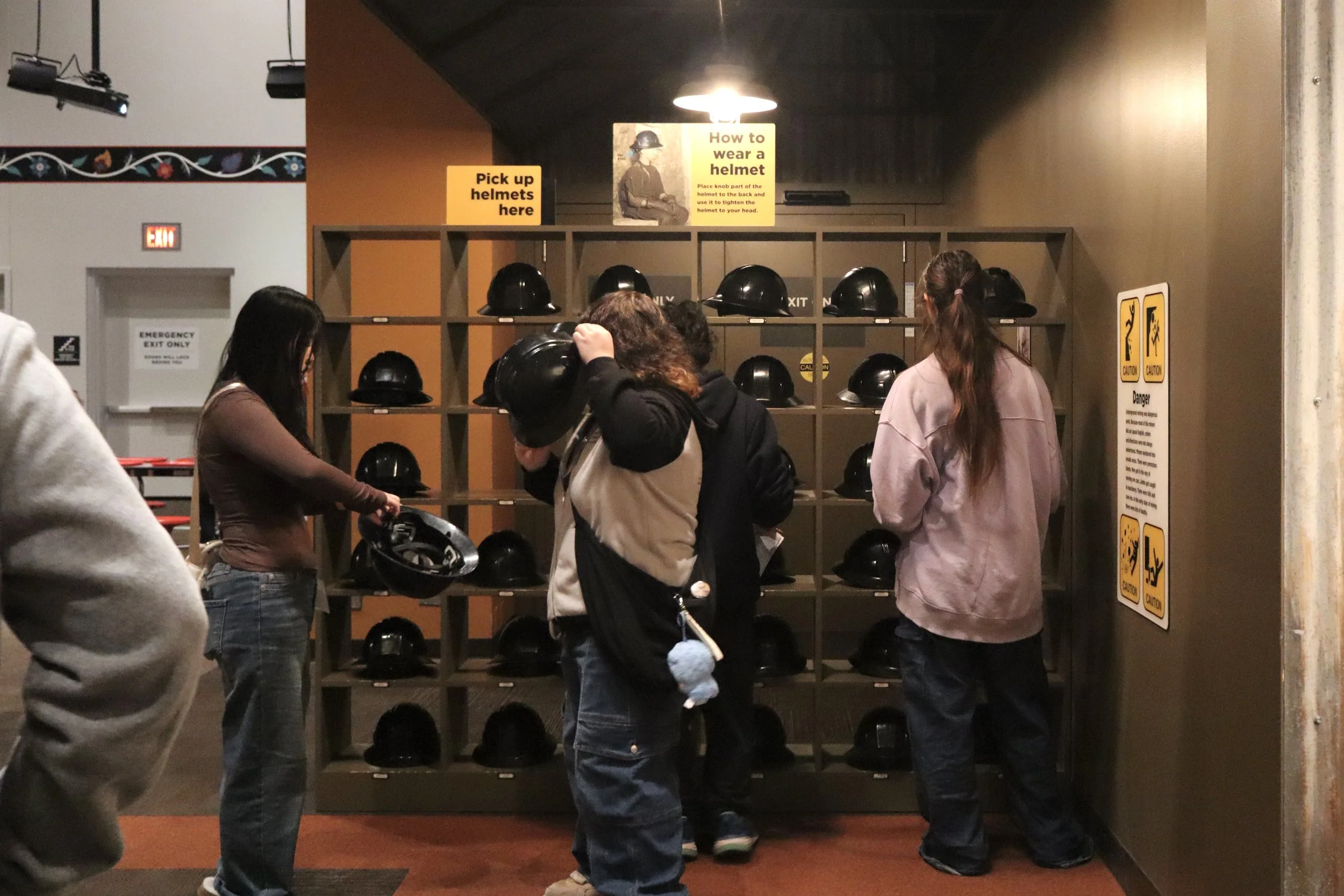
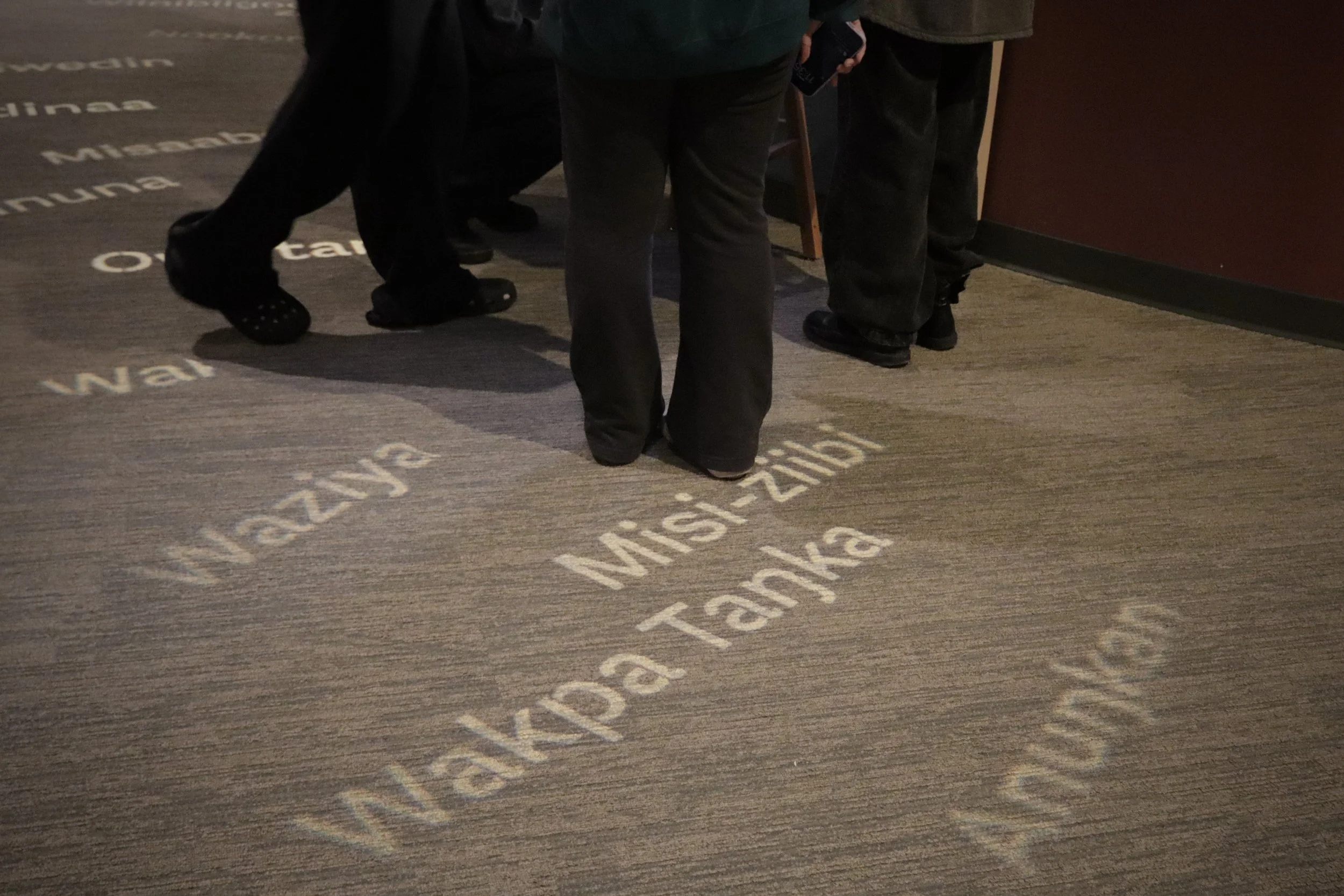
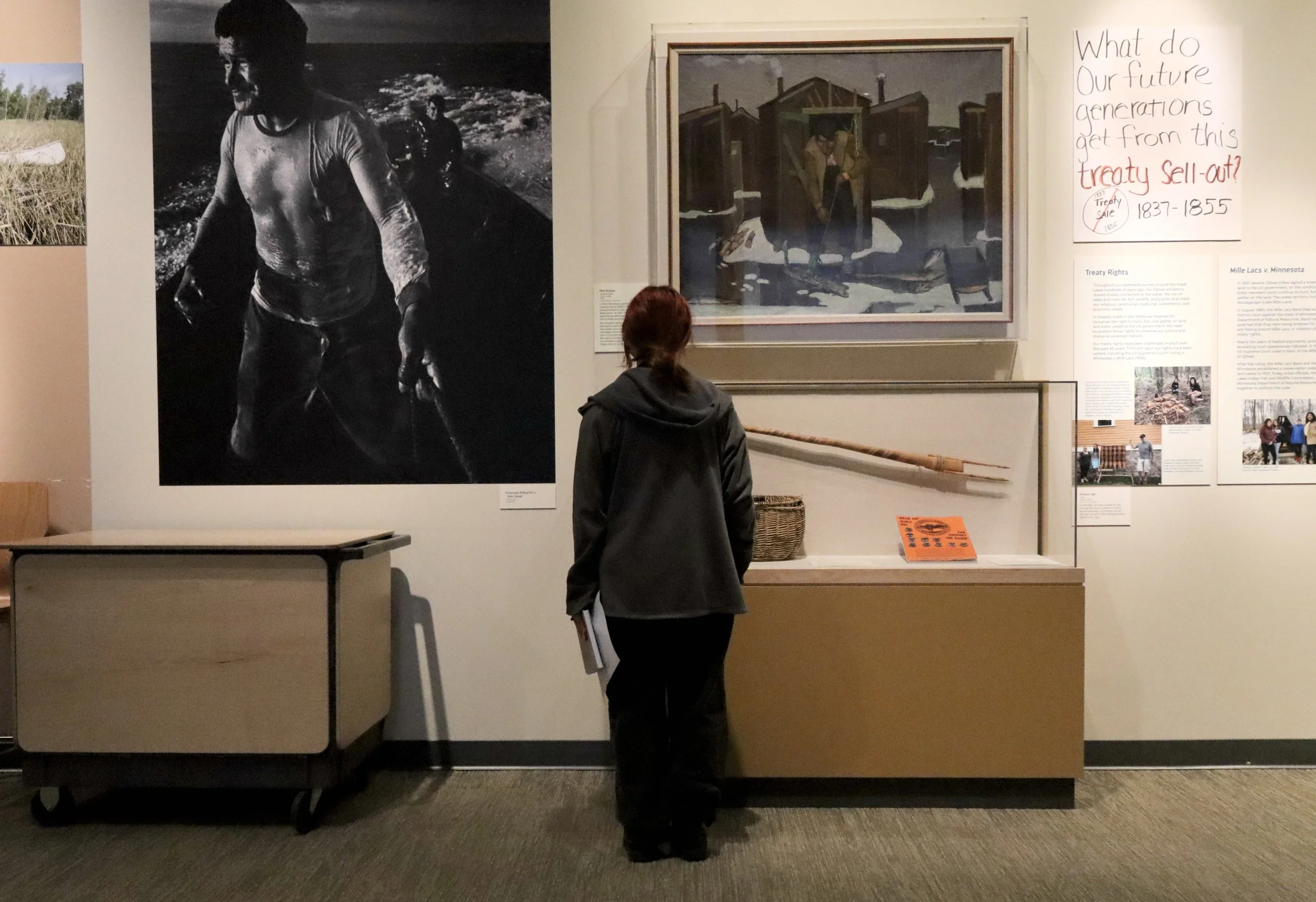
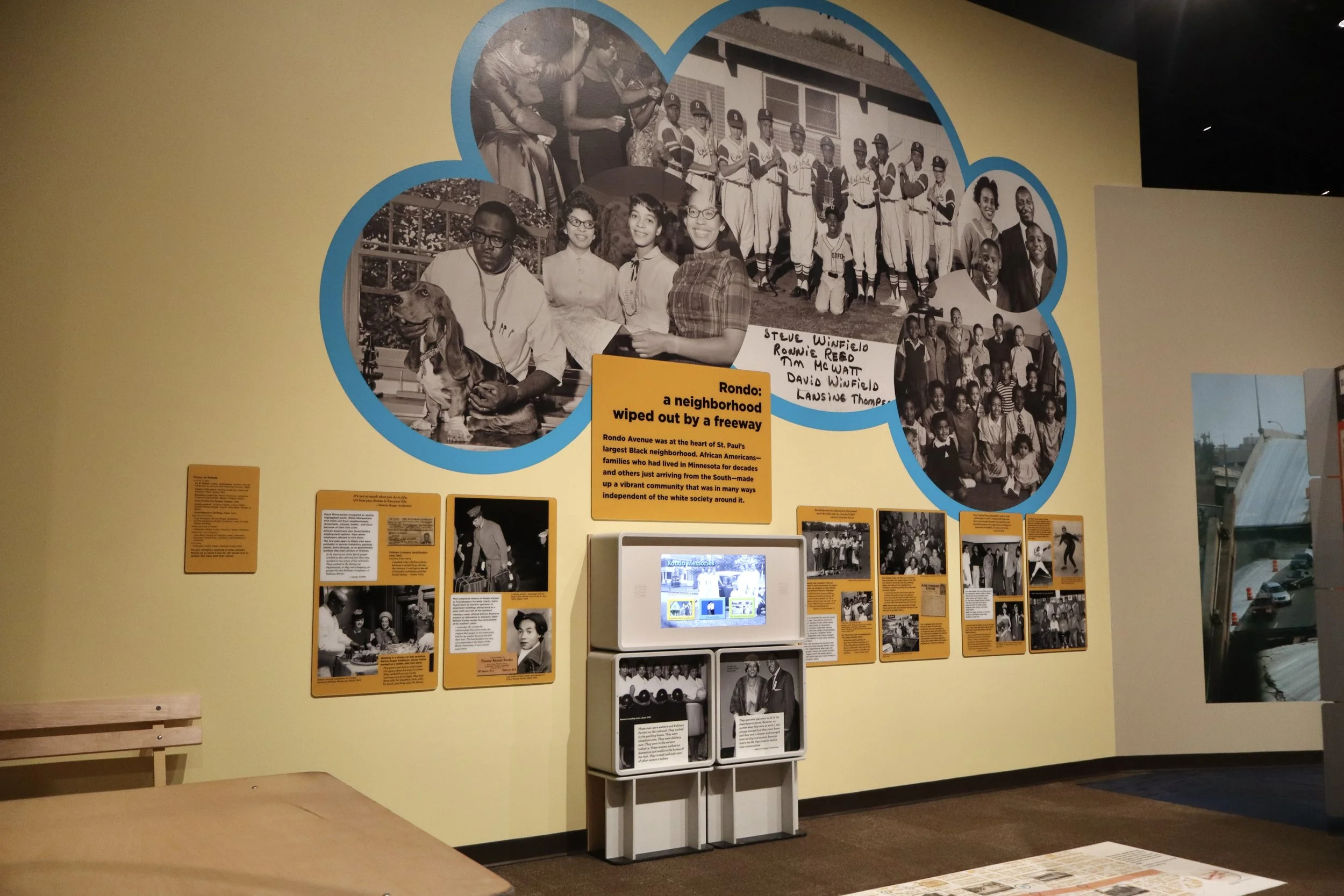
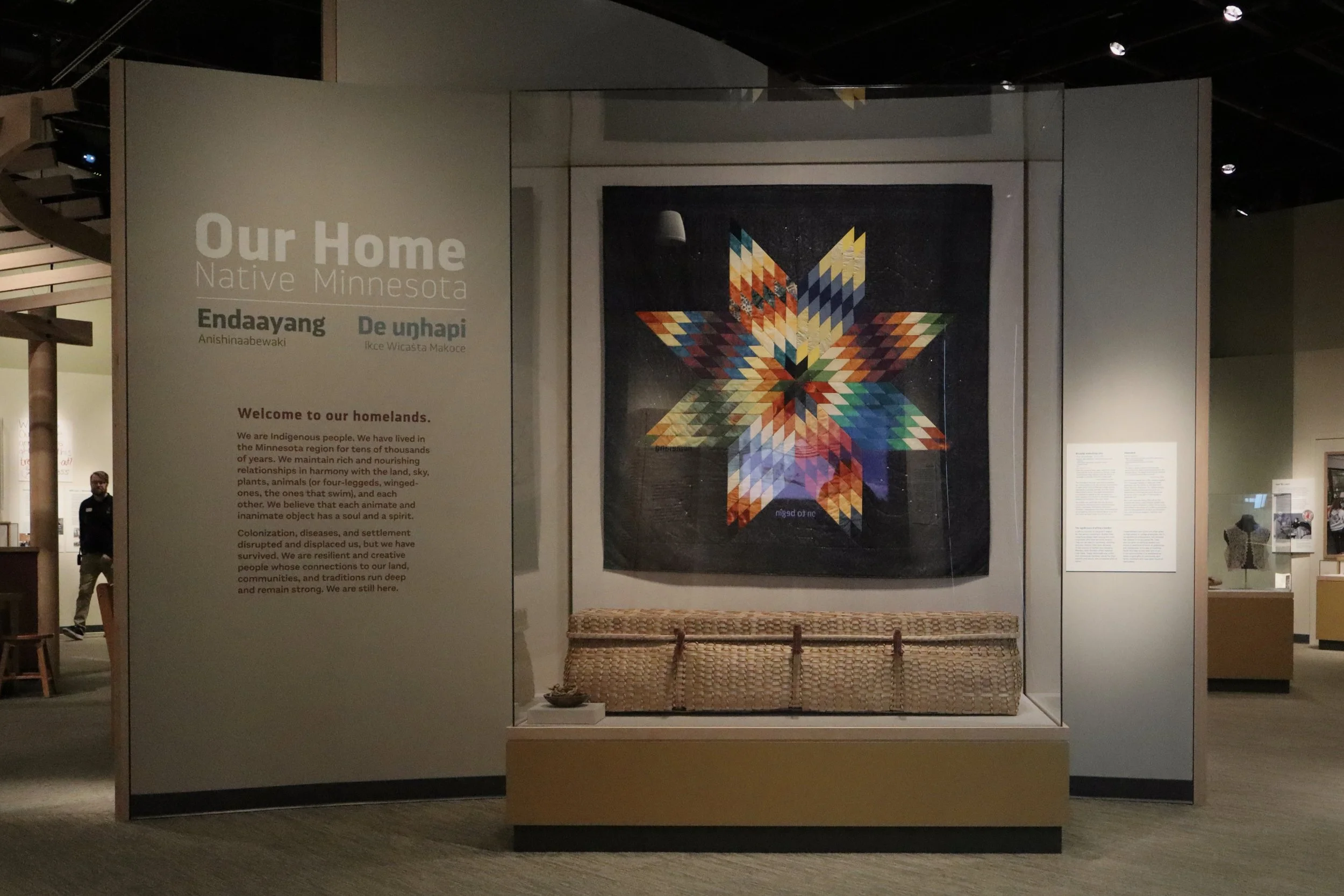
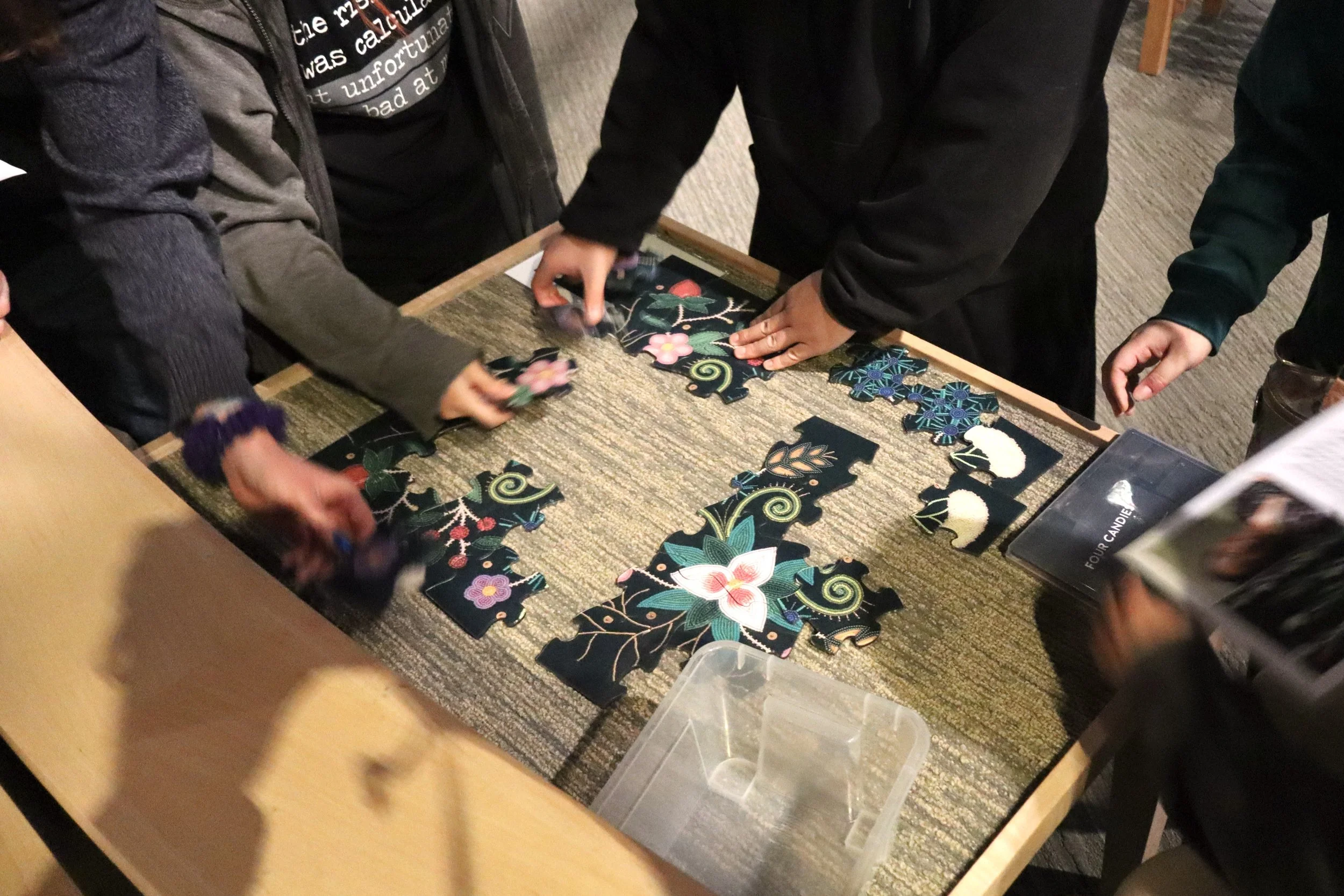
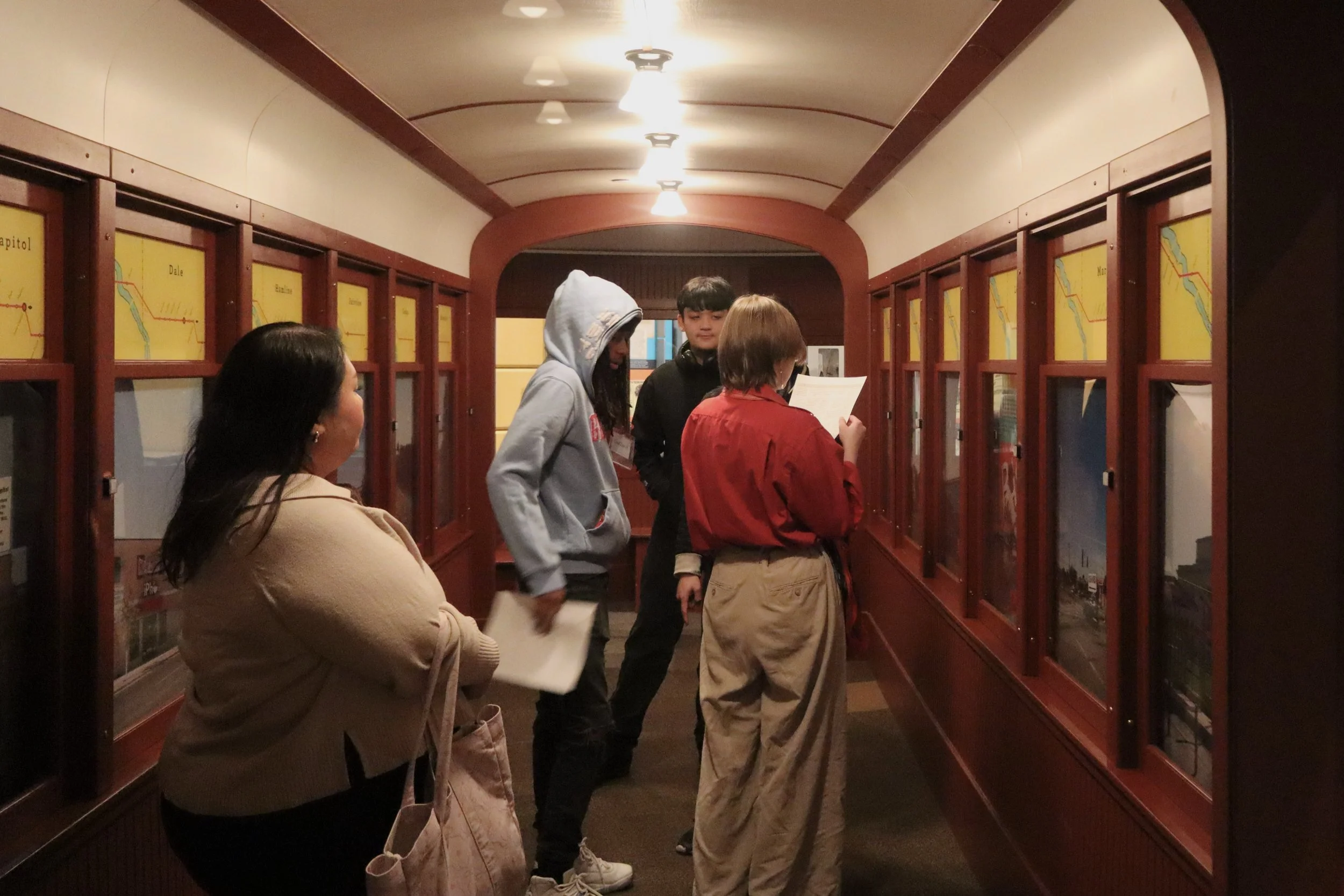
Our next activity involved exploring three exhibits that are on display at the museum: Our Home: Native MN, Then Now Wow, and Reframing our Stories. Our exploration was guided by bingo sheets! Each bingo square had a different prompt, all of which centered around questions about how different people tell their stories, how people continue to resist oppression, and the implications of choosing to feature an item in a museum. This latter point led us into our final activity for our session…
Creating Our Own Mini-Museum
We concluded by discussing this central question: What is a story of yours that is missing from the museum?
This was an opportunity for our participants to create their own mini exhibit centering around whatever part of their own story they would want to tell; for example, growing up in a post-COVID world, navigating life as a 1st- or 2nd-generation immigrant, or observing the manifestations of an inequitable education system. We then participated in a gallery walk, observing everyone’s mini exhibits as if they were in a real museum. This activity allowed for fruitful discussions, demonstrated the value in being able to tell your own story, and pressed the question of whose stories are considered “important” enough to show up in museums?